Why High-Performing Women Struggle to Switch Off
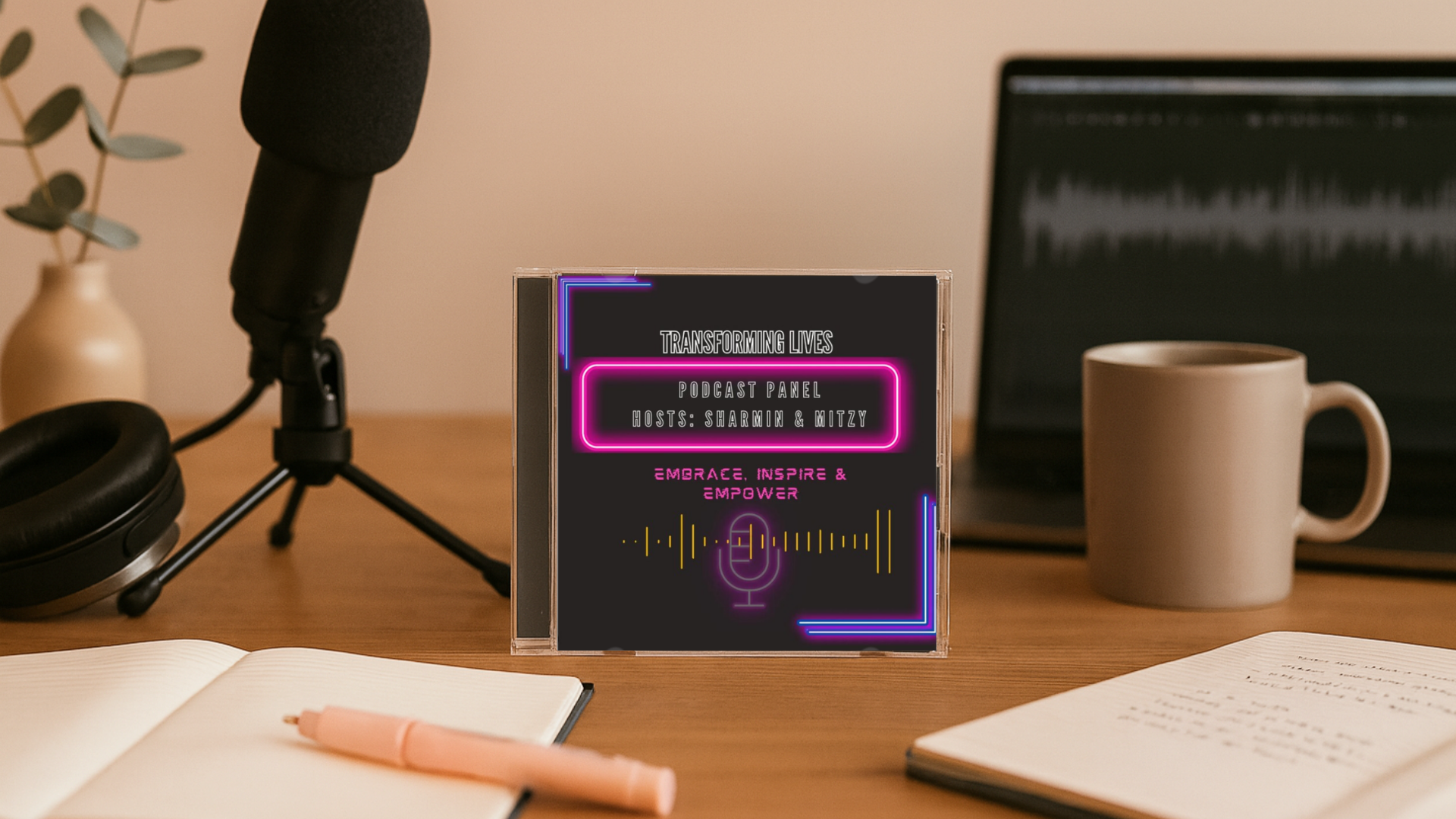
I recently joined Sharmin Prince and Mitzy Dadoun on the Transforming Lives Panel Podcast for a conversation about burnout, boundaries, and what it actually looks like to rebuild your energy when you’ve been running on empty for too long.
One question they asked me stayed with me.
What did success look like before burnout?
And the honest answer was this.
I thought I could do everything.
Work.
Family.
Responsibilities.
Life.
All at once. All the time.
Until I couldn’t anymore.
If you’d like to watch or listen to the full conversation, you can find it here.
Before It Had a Name
Before I knew what burnout was, I just thought I was busy.
Productive. Capable. Managing a lot.
And if something felt off, I assumed I just needed to organize things better or push through a bit more.
Looking back, that’s what made it so easy to miss.
Burnout didn’t arrive all at once.
It built slowly.
More responsibilities.
More pressure.
Less space to recover.
Until one day, it stopped feeling manageable.
The Setup That Made It Worse
Like many people, the pandemic accelerated everything.
I was working from home.
Helping my kids navigate school.
Supporting a high-pressure project building emergency ventilators.
At the same time, there was no separation between work and home.
My desk was in my bedroom.
Which meant work was always right there.
Emails at all hours.
No clear start or end to the day.
No real way to switch off.
At first, it felt productive.
Then it became unsustainable.
When Even Creativity Disappears
One of the clearest signs something was wrong was this.
I couldn’t create.
Creativity had always been my outlet. It was how I reset, how I processed, how I came back to myself.
But during that period, I would walk into my studio and just stand there.
I couldn’t start.
No ideas. No energy. No connection to it.
That’s when I realized this wasn’t just being tired.
Something deeper had shifted.
The Unexpected Starting Point
The turning point didn’t come from a big change.
It came from something very small.
I was on yet another Zoom call and started drawing simple patterns in the margin of my notes.
Nothing intentional.
Just repetitive shapes.
And I noticed something.
My breathing slowed.
My body softened.
My mind felt quieter.
That moment made me curious.
Because if something that simple could create that kind of shift, there had to be something there.
Why Simple Drawing Works
When we think about stress, we often think about it mentally.
But stress lives in the body.
And when it builds up, it stays there.
What simple drawing does is give your body a way to process it.
You’re moving your hand.
You’re focusing your attention.
You’re engaging your senses.
And without forcing it, your system begins to settle.
It’s not about making something meaningful.
It’s about creating a shift.
What Shows Up on the Page
One of the exercises I shared in the conversation is the Bridge exercise.
You draw where you are now on one side.
You draw where you want to be on the other.
And then you draw the bridge between them.
What’s interesting is what people naturally draw.
Not perfect bridges.
But unstable ones.
Missing planks.
Rough crossings.
Obstacles underneath.
Even though they could draw anything, they often reflect exactly how they feel about moving forward.
Sometimes they’re not even on the bridge yet.
They’re standing far away from it.
And once it’s on paper, it becomes easier to talk about.
The Real Barrier Most Women Mention
When I asked women what stopped them from starting this work, the answer came up again and again.
Time.
“I don’t have time for this.”
And it makes sense.
When you’re already overwhelmed, adding something new feels impossible.
But what they often discover is this.
They do have time.
They just haven’t been spending it in a way that supports them.
And once they start setting boundaries and becoming more intentional, something shifts.
They begin to get time back.
What Changes When You Start Saying No
One of the most important shifts we talked about in the podcast is learning to pause before saying yes.
Not automatically agreeing.
Not reacting out of habit.
But actually asking yourself a question.
Do I have the capacity for this?
Do I want to do this?
Why am I saying yes?
That moment of pause can change everything.
Because burnout isn’t usually caused by one big decision.
It’s built through hundreds of small ones.
Letting It Be Imperfect
Another thing that comes up often, especially with women in technical fields, is the need to do things correctly.
To follow instructions.
To get it right.
To not make mistakes.
That shows up even in creative exercises.
Am I doing this right?
And the answer is always the same.
There is no right.
One woman I worked with changed the entire structure of an exercise because the original version didn’t make sense to her.
And that was the moment things opened up.
Because she gave herself permission to do it differently.
A Small Reset Is Enough
You don’t need a full plan to begin.
You don’t need the perfect setup.
You don’t need a lot of time.
You just need a small starting point.
A few minutes.
A piece of paper.
A pen.
That’s enough to begin creating space.
If You’re Feeling Stuck
If you’ve been feeling stuck, disconnected, or like you’re just going through the motions, you’re not alone.
And you don’t need to wait until things get worse to do something about it.
You can start small.
You can start today.
If This Conversation Resonates
If this feels familiar, you might want to explore this a bit further.
You can start with the 5-Day Creative Reset Challenge, where I guide you through short, simple exercises to help you reset your mind and body.
Or join The Creative Shift, my weekly newsletter where I share practical tools and reflections around creativity, stress, and wellbeing.
Because burnout doesn’t usually happen all at once.
And recovery doesn’t have to either.
Sometimes it starts with one small pause.
And one simple line on a page.