Listening to Your Body Before Burnout Gets Worse
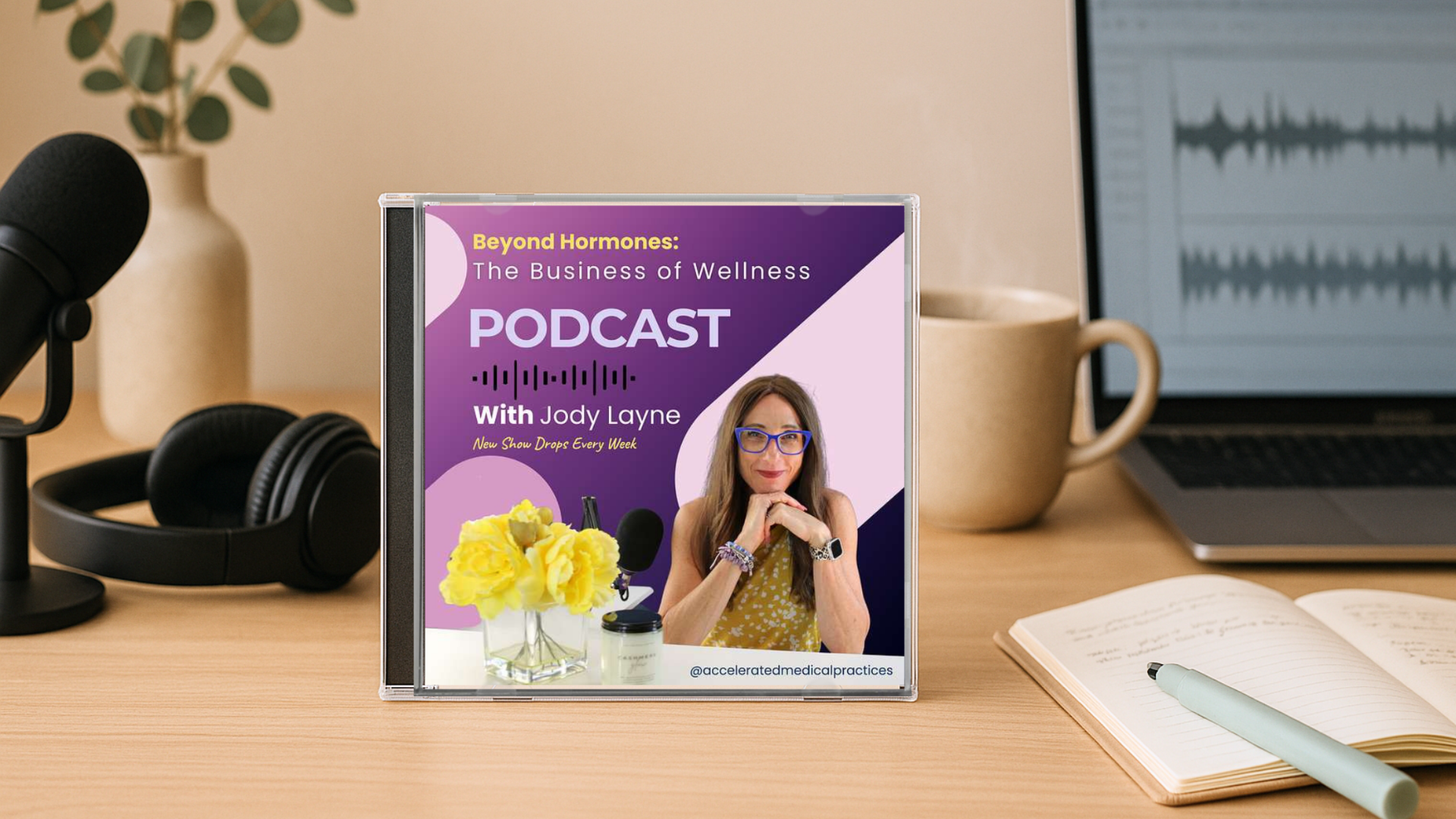
I recently joined Jody Layne on the Beyond Hormones, The Business of Wellness podcast for a conversation about something a lot of women feel, but don’t always name right away.
It’s that moment when your body starts to say no.
Not in a dramatic, all-at-once way. More like a quiet, steady signal that something isn’t working the way it used to.
You feel more tired than usual. Your focus isn’t quite there. Your patience is shorter than you’d like it to be. Things that used to feel manageable now take more effort.
And still, you keep going.
In this conversation, we talked about what happens when you’ve been running past your limits for too long. We got into how burnout shows up in the body, why it’s often misunderstood, and how creativity can help you find your way back to something more steady.
If you’d like to watch on YouTube or listen to the full episode, you can below.
When Burnout Doesn’t Feel Like Burnout
Burnout doesn’t always show up as a clear breaking point.
More often, it feels like a slow drift.
You’re still doing your job. Still meeting expectations. Still getting things done. But underneath that, there’s this ongoing depletion that doesn’t really go away, even when you rest.
We talked about how common this is for women who are used to being capable and reliable. When you’ve built your identity around figuring things out and showing up no matter what, it’s easy to ignore those early signals from your body.
You tell yourself it’s just a busy stretch.
You tell yourself it’ll calm down soon.
But your body keeps track.
Your Body Usually Knows Before You Do
One of the things that came up in our conversation is that burnout isn’t just in your head.
It’s physical.
Long before you consciously think, something’s off, your body is already responding. That might look like tension you can’t quite shake, disrupted sleep, headaches, shallow breathing, or that wired-but-tired feeling.
From a nervous system perspective, it makes sense.
If you’re under constant pressure, your system stays in a more activated state. And over time, it gets harder to come back down, even when you’re technically “resting.”
That’s why mindset shifts alone don’t always land.
You can’t think your way out of something your body is still experiencing.
Where Creativity Actually Helps
This is where creativity becomes surprisingly practical.
Not as a hobby you get to when everything else is done. But as a way to shift what’s happening in your body.
When you’re doing something simple and creative, something changes.
Your breathing slows a bit.
Your focus narrows in a calmer way.
Your body starts to settle.
You’re not just thinking anymore. You’re sensing.
In the podcast, we talked about how even small things, like drawing repetitive shapes or playing with colour, can interrupt that constant state of “go.”
It gives your system a signal that it’s okay to slow down.
The Pressure to Keep Pushing Through
One thing I see all the time, and that came up in this conversation too, is how strong the pressure is to just keep going.
Even when you know something’s off.
That pressure can come from work. From family. From your own expectations about who you’re supposed to be.
And over time, that creates a disconnect.
You know you need something different. But it feels hard to change anything when so much depends on you continuing as you are.
That’s where small, accessible practices really matter.
Not because they fix everything overnight, but because they give you a place to start.
A Simple Way Back to Yourself
One of the things I shared in the conversation is how simple creative exercises can help you reconnect with what’s going on.
For example, you might draw a quick outline of your body and notice where you’re holding tension.
Or use colour to represent how you’re feeling without having to explain it.
Or just fill a page with repetitive patterns when your mind won’t stop racing.
These aren’t about making something that looks good.
They’re about creating a bit of space.
Space to notice.
Space to feel.
Space to come back to yourself.
And from there, things often start to feel a little clearer.
What Changes When You Start Paying Attention
Once you start tuning in this way, even a little, things begin to shift.
You notice patterns sooner.
You start to see what’s draining you faster than it used to.
You get clearer on what helps, even in small ways.
You catch that “something’s off” feeling earlier.
It’s not always comfortable.
But it gives you more choice.
And that’s what makes it useful.
This Isn’t About Adding More to Your Plate
I know one of the first thoughts might be, I don’t have time for this.
And that’s fair.
This isn’t about adding another thing to your list.
It’s about using a few minutes differently.
Instead of scrolling.
Instead of pushing through.
Instead of staying stuck in your head.
You take two to five minutes to do something with your hands, your attention, and your breath.
And over time, those small moments start to add up.
If This Feels Familiar
If you’ve been noticing that your body is asking for something different, even quietly, it might be worth listening.
Not all at once. Not perfectly.
Just enough to begin.
If you want a place to start, you can join the 5-Day Creative Reset Challenge, where I share short, simple creative exercises you can fit into your day.
Or you can sign up for The Creative Shift, my weekly newsletter where I share practical tools and reflections to help you feel a bit more like yourself again.
Because sometimes the shift you’re looking for doesn’t come from doing more.
It starts with a small pause and paying attention to what your body’s been trying to tell you.