How Creativity Supports Mental Clarity for Women in STEM
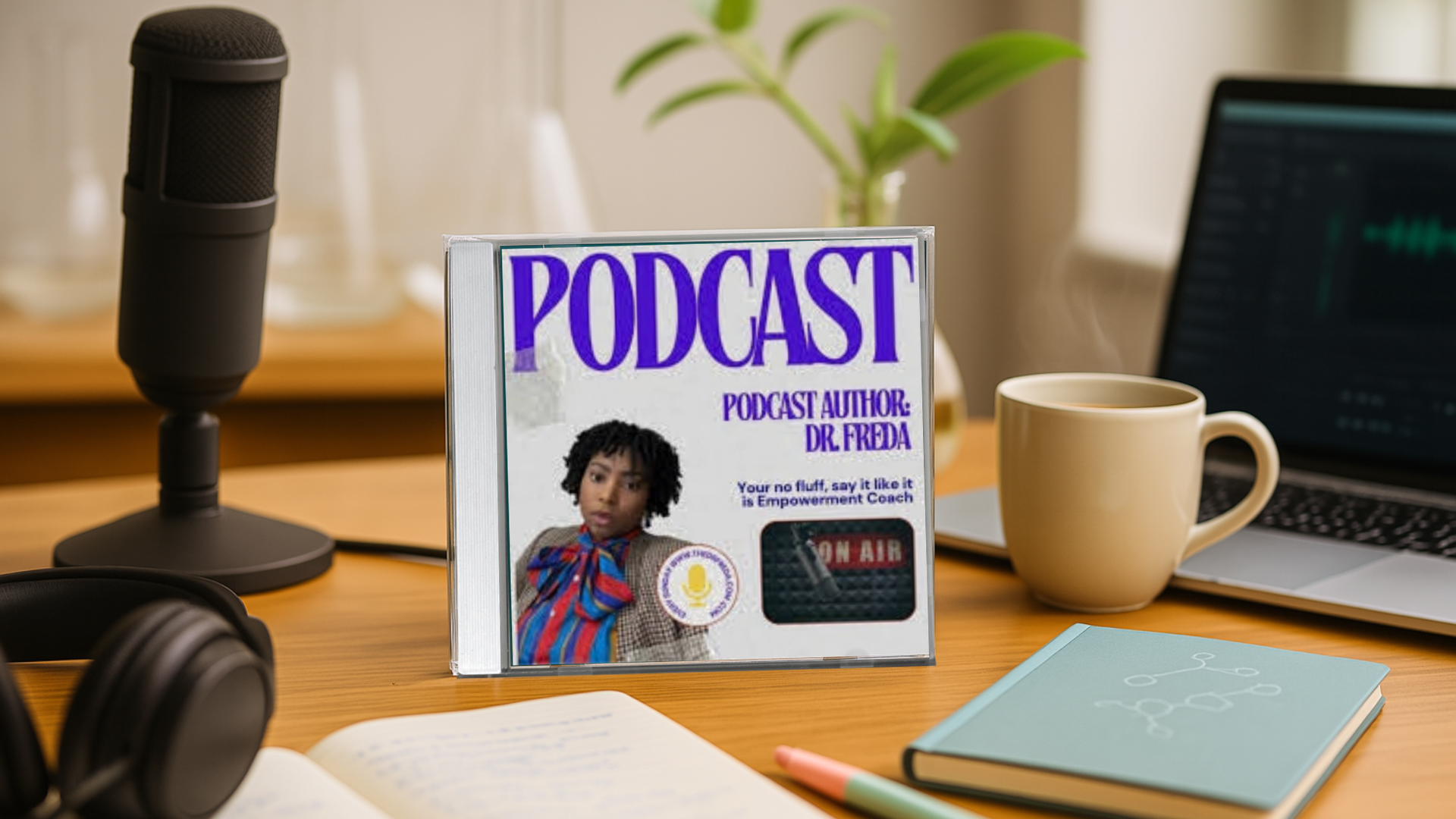
I recently joined Dr. Freda on the Power Sessions Podcast for a thoughtful conversation about burnout, creativity, and the path that led me from plant molecular biology into creative wellness coaching.
During the episode, we explored how high-achieving professionals often find themselves running on mental overload, especially when their work demands constant focus, problem-solving, and responsibility.
For many women in STEM, that level of pressure can quietly build over time.
If you would like to watch the full conversation, you can view the episode below.
A Career Built on Curiosity
My career began with curiosity about how the natural world works.
As a student, I was drawn to both creativity and science. I loved drawing and painting, but I was also fascinated by plant biology and the complex systems that allow living organisms to function.
That curiosity eventually led me through many years of academic training. I completed a bachelor’s degree, a master’s degree, a PhD, and a postdoctoral fellowship in plant molecular biology.
After leaving academia, I moved into industry roles that allowed me to apply my scientific training in practical ways. I worked in government and later in medical device development, focusing on regulatory and quality systems.
The work was meaningful and intellectually challenging, but it also came with significant pressure.
When Work Becomes Constant
One of the themes we discussed during the podcast was how easily professional responsibility can expand until it fills every available space.
For many professionals, especially women in technical fields, there is a strong internal drive to perform well, solve problems, and support the teams around them.
Over time, that sense of responsibility can turn into constant mental engagement with work.
Even when the workday ends, the mind keeps reviewing tasks, anticipating problems, and planning solutions.
This kind of sustained mental activity is often invisible to others, but it can take a significant toll on energy and wellbeing.
The Role Creativity Played in My Life
Throughout my scientific career, creativity remained an important outlet.
Painting and drawing gave me a way to process ideas and release stress. It was a space where there were no deadlines, no technical requirements, and no expectations.
It was simply a place to think and reflect.
During periods of high stress, that creative time became even more important. It allowed me to step away from analytical thinking and reconnect with a quieter, more reflective mindset.
Over time, I began to notice something interesting.
Creative activities were not just relaxing. They were helping my mind reset.
The Connection Between Creativity and Mental Clarity
Creative practices engage parts of the brain that are different from those used during analytical problem-solving.
When you focus on colour, shape, or movement while drawing or painting, your attention shifts away from constant evaluation and toward observation.
This change in focus can help interrupt cycles of overthinking.
It allows the mind to slow down and process experiences in a different way.
For people who spend much of their time working in analytical environments, that shift can be especially helpful.
It creates space for reflection and clarity.
From Personal Practice to Coaching Work
As I explored these ideas further, I began studying coaching and mindfulness-based approaches to stress management.
What became clear to me was that creativity could play a powerful role in helping people understand their experiences and make thoughtful decisions about the future.
That realization eventually led me to create a coaching practice that blends creative exercises with traditional coaching tools.
Instead of focusing on artistic skill, the exercises are designed to help people visualize their thoughts, emotions, and goals.
When people see their experiences represented on paper, it often becomes easier to identify patterns and possibilities that were not obvious before.
Supporting Women in High-Pressure Careers
Today, much of my work focuses on supporting women in STEM and other high-pressure careers.
These are individuals who are intelligent, capable, and deeply committed to their work. At the same time, many of them experience ongoing mental fatigue from constantly managing complex responsibilities.
Creative reflection exercises provide a structured way to slow down and reconnect with what matters most.
The goal is not to escape professional responsibilities, but to approach them with greater clarity and balance.
A Vision for the Future
Toward the end of our conversation, Dr. Freda asked about my vision for the future of this work.
One idea that continues to inspire me is creating retreat experiences where women can step away from their daily routines and reconnect with creativity in natural environments.
Imagine a small group walking through a forest or along the ocean, then returning to a studio space to explore creative reflection exercises together.
Those kinds of spaces allow people to pause long enough to hear their own thoughts again.
If This Conversation Resonates
If you’ve been feeling mentally overloaded or disconnected from yourself, you’re not alone.
You might start with the 5-Day Creative Reset Challenge, where I guide participants through simple creative exercises designed to calm the mind and spark reflection.
You can also subscribe to The Creative Shift, my weekly newsletter where I share ideas and practices for creativity, mindfulness, and stress management for women in STEM.
Sometimes clarity does not come from working harder.
Sometimes it comes from stepping back and giving your mind space to breathe.