From Emotional Numbness to Self-Connection Through Creativity
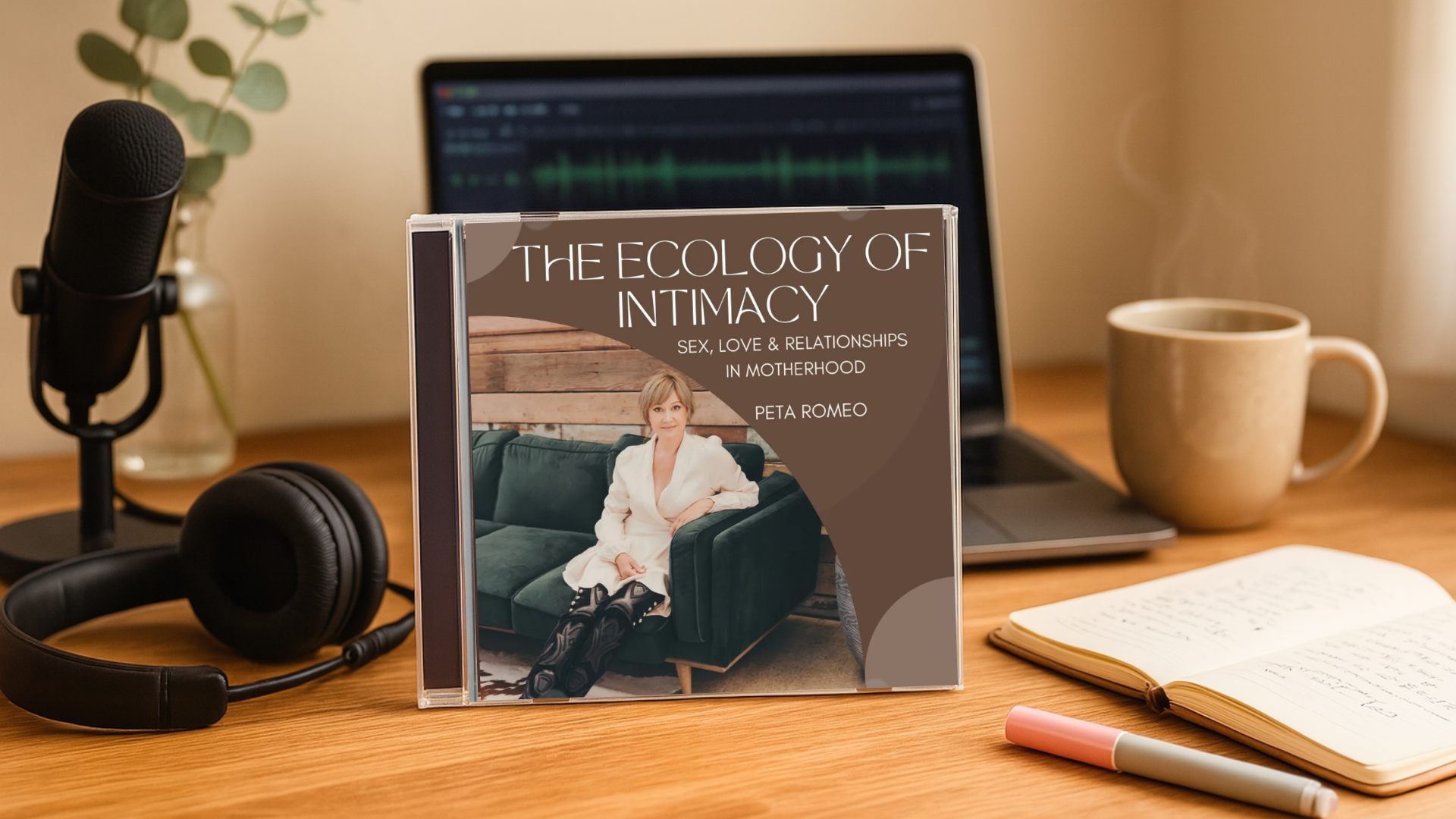
I recently joined The Ecology of Intimacy podcast for a conversation with Peta Romeo about a kind of burnout that many women live inside but rarely name out loud.
It is the kind where life looks functional from the outside. The work is getting done. The family is running. The responsibilities are being met. On paper, everything may even look successful.
And yet, inside, something feels flat.
You might feel tired in a way that sleep does not fix. You might feel emotionally numb. You might notice that creativity has quietly disappeared, or that your body feels distant, like you are moving through life from the neck up.
That is the kind of burnout we explored in this conversation. We talked about why creativity is not a luxury, why sensory awareness matters, and how simple art therapy-inspired practices can help women reconnect with themselves before they hit a wall.
If you would like to watch or listen to the full conversation, you can listen to the episode here.
A Creative Child Who Chose the Safer Path
Like many women, I learned early that creativity was something to love, but not necessarily something to build a life around.
As a child, I was always making art. I loved creating, imagining, and working with my hands. But when it came time to choose a university path, I was encouraged to pursue science because it seemed more practical and more secure.
So, I put art aside.
I followed the academic path through a bachelor’s degree, a master’s degree, a PhD, and postdoctoral work. Eventually I moved out of hands-on lab research and into not-for-profit, government, and corporate roles. The career made sense on paper, and for a long time I was proud of what I had built.
But somewhere along the way, I also noticed how much of myself I had parked off to the side.
It was not only art. It was play. Ease. The feeling of doing something simply because it felt nourishing.
When Burnout Became Impossible to Ignore
Later, when my children were older, I started returning to art. I carved out studio time for myself and sometimes invited my kids in to create alongside me. Even when they were more interested in sports or their own activities, I still found something deeply restorative in being back in that space.
Then the pandemic arrived, and everything changed.
Like many families, we were suddenly trying to do everything at once. I was helping to support a major emergency ventilator project at work, and the pressure was intense. At the same time, my children were at home and daily life had become a constant juggling act.
I burned out.
The clearest sign was not just fatigue. It was the fact that I could no longer create. I would walk into my studio, look at my supplies, and feel completely blocked. It was as though the part of me that knew how to make and play had gone offline.
That kind of numbness is hard to explain until you have lived it.
The Small Shift That Opened Something Up
What changed things for me was surprisingly simple.
During a long Zoom meeting, I started drawing little spirals on a piece of paper. Nothing planned. Nothing polished. Just repetitive marks.
And I noticed that I felt better.
My body softened. My thoughts slowed a little. Something shifted in a way that felt both small and significant.
That moment led me to start learning more about the connection between creativity, nervous system regulation, and flow state. I began researching art therapy-inspired practices, mindfulness, and the neuroscience of what happens when we engage in simple creative tasks.
What I found was both reassuring and exciting. The creative process was not just helping me feel calmer emotionally. It was also helping my body move out of a fight or flight response and into a more settled, regulated state.
That became the beginning of my Creative Reset work.
Why Creativity Helps When You Feel Disconnected
One of the things we talked about in the podcast is that creativity works differently from a productivity tool or a mindset reframe.
When you are drawing, collaging, doodling, or even ripping paper for a collage, you are not just thinking. You are sensing.
Your hand is moving. Your eyes are noticing colour and shape. Your breathing shifts. You are receiving feedback from the paper, the pen, the sound, the texture.
That sensory experience helps anchor attention in the present moment. It gives the mind somewhere to land when it has been looping for too long.
It also helps lower the stakes.
Many of the women I work with are very used to being evaluated. They are used to doing things correctly, efficiently, and well. In that context, creativity can feel risky at first because it seems unproductive or self-indulgent.
But what they often discover is that it becomes one of the most useful things they do all week.
Not because they produce something impressive, but because they feel more like themselves afterwards.
What the Exercises Can Reveal
I often use simple visual exercises in my coaching, and they can reveal quite a lot.
For example, one body scan activity invites women to draw a simple outline of a body and use colours or shapes to show where stress, tension, calm, or grounding are present. The act of putting those sensations onto paper often creates a kind of immediate clarity.
Another exercise involves drawing batteries for different parts of life and showing how full or depleted each one feels. Work, family, self-care, relationships. Many women know right away which battery is nearly empty. What they have often not given themselves is the time to ask why.
There is also an orbit exercise where you draw who and what is close to you, who is farther out, and what belongs where. That one can be especially revealing, because it often shows whether someone is carrying relationships or responsibilities more closely than they truly want to.
The page becomes a mirror.
And sometimes it is easier to tell the truth when you can see it.
The Burnout Beneath the Competence
One of the strongest themes in our conversation was the mismatch between outer success and inner depletion.
Women in STEM and caregiving roles are often highly competent. They know how to push through. They know how to deliver. They know how to keep going even when they are exhausted.
That skill is often rewarded.
But it also comes at a cost.
If you are always the one holding things together, it becomes very easy to lose touch with your own internal signals. You may stop noticing what feels good, what feels draining, what fills your cup, or what is quietly eroding you.
That is why I believe this work matters so much.
Creativity is not there to make your life look prettier. It is there to help you come back into relationship with yourself.
Permission to Fill Your Own Cup
So many women are taught, directly or indirectly, that looking after themselves should happen last.
After the work is done.
After the children are settled.
After everyone else is okay.
But that logic eventually runs out.
At some point, the cup is empty.
One of the shifts I often see in my clients is that once they begin taking even small amounts of time for themselves, they actually become more aware of where their energy is going. They begin recognizing what drains them, what nourishes them, and what boundaries need to change.
That awareness makes it easier to ask for help, to set limits, and to stop treating their own needs as optional.
It is not selfish.
It is maintenance.
If This Conversation Resonates
If you have been living in that quiet kind of burnout, the kind where everything looks fine but you do not feel like yourself, I want you to know that you are not alone.
You do not need to become an artist. You do not need a beautiful studio or a perfect sketchbook. You do not need to be “good” at anything.
You simply need a place to begin.
That beginning might be a few minutes with a pen and paper. It might be a bit of collage. It might be one simple body scan drawing or one moment of honest reflection.
If you would like support with that, you can start with the 5-Day Creative Reset Challenge, which offers short, art therapy-inspired exercises delivered by email.
You can also explore The Creative Shift, my weekly newsletter where I share practical tools, reflections, and creative wellness ideas for women who want more breathing room, more honesty, and more connection to themselves.